





Projection-guided workstation operation
Co-idea

Turn shop-floor lessons into shared practices

For a lesson learned to have an impact, it must lead to concrete effects on the production line. CARDS turns shop-floor feedback into instructions, markers, and controls that can be used directly at the workstation.

Trusted by

Airbus
Bpifrance
Omexom
Inria
Futuroscope
Coven

Capturing lessons learned and continuous improvement

A shop-floor lesson is useless until it leads to action

Incident, recurring difficulty, good practice identified by an operator, problem resolution: your teams already have many ways to analyze what happened and decide on an action. The difficulty comes after the information has been reported. The issue was discussed in a meeting, but nothing was added to the quality references and no procedure was actually updated. Reported, then immediately forgotten.

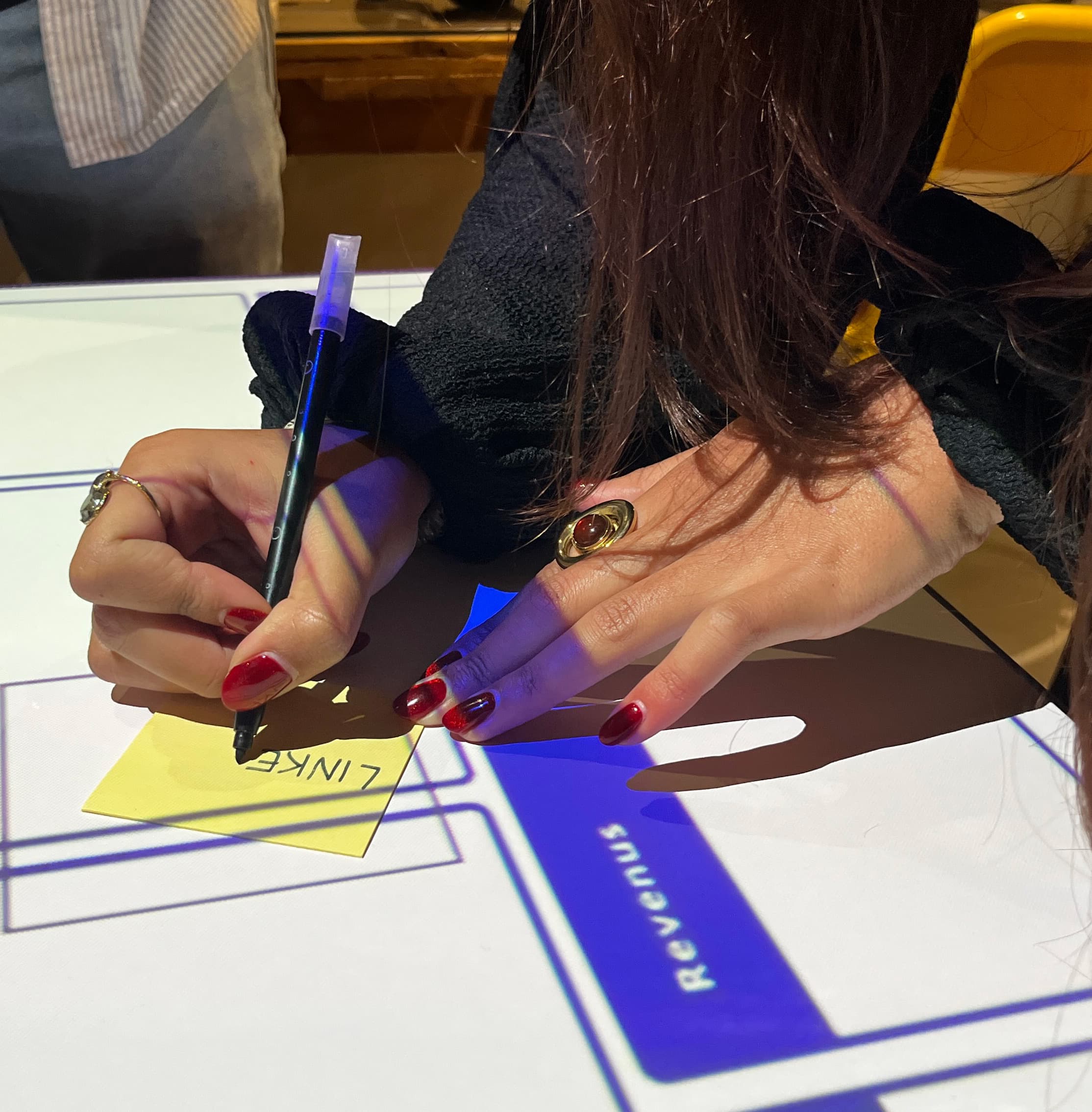
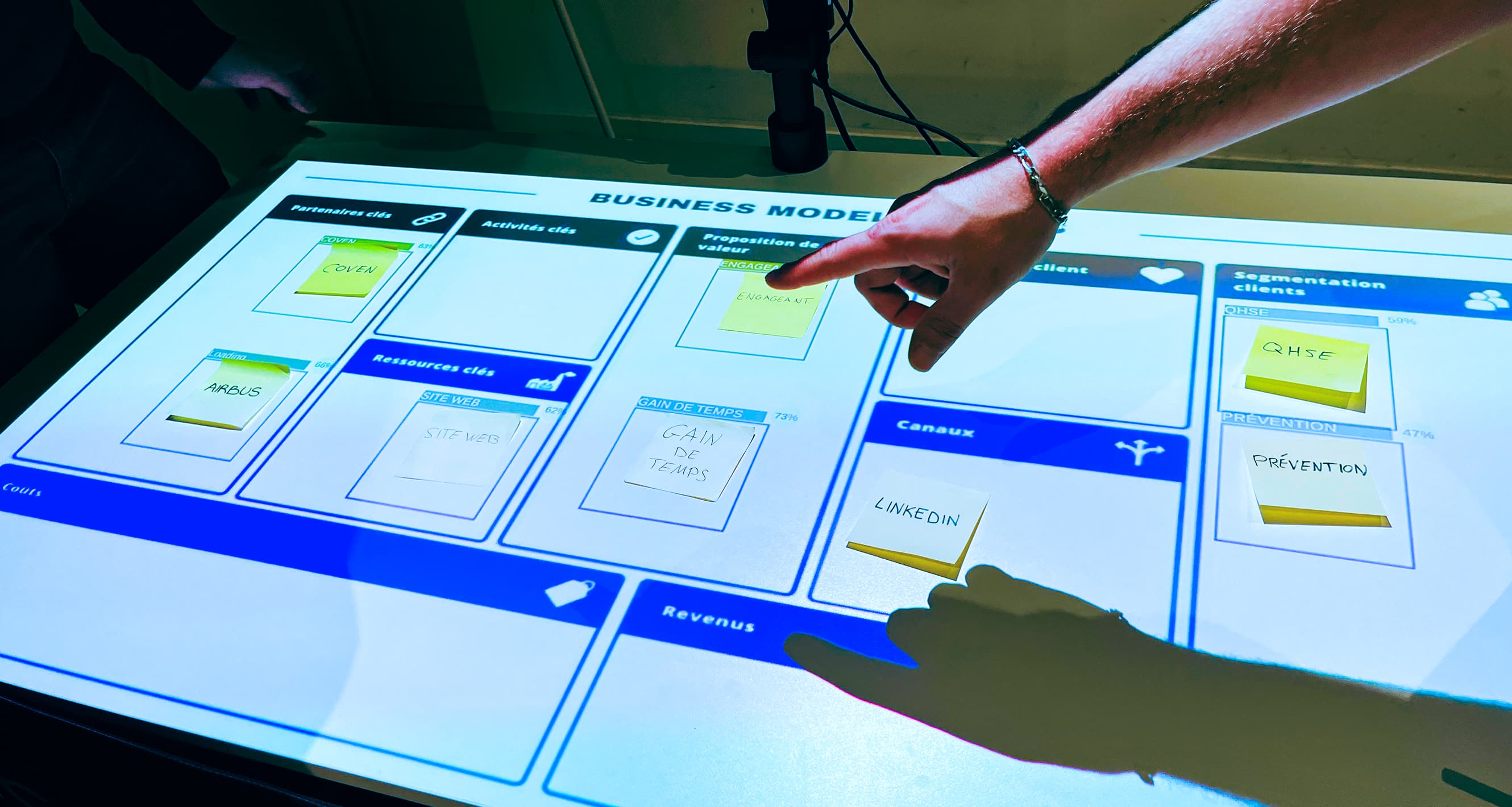
Interactive exercise projected onto a table

Industrial lessons learned and shop-floor feedback

Move lessons learned from observation to an updated operator standard

Lessons learned remain first and foremost an analysis and decision-making process led by your teams. CARDS does not replace root-cause investigation or other continuous-improvement methods. Once a correction is approved, it can be translated into execution: changing a sequence, adding a marker, revising an instruction, creating a new control point, or adapting a work standard. The lesson no longer ends with “what we learned.” It becomes “what we now do.”
Distributing corrective actions at the workstation

Preserve the context of a lesson so it becomes truly applicable

Shop-floor feedback quickly loses value when it is turned into an overly general rule. The workstation, part, tool, variant, action area, or specific conditions are often part of the lesson itself. CARDS delivers the correction within a precise context. The new practice appears where it must be applied, and only there. It no longer depends on meeting minutes, oral transfer, or team memory.

Industrial CARDS applications

One shared technology, distinct industrial use cases

Updating operational standards

CARDS: make a lesson learned visible to everyone in daily execution

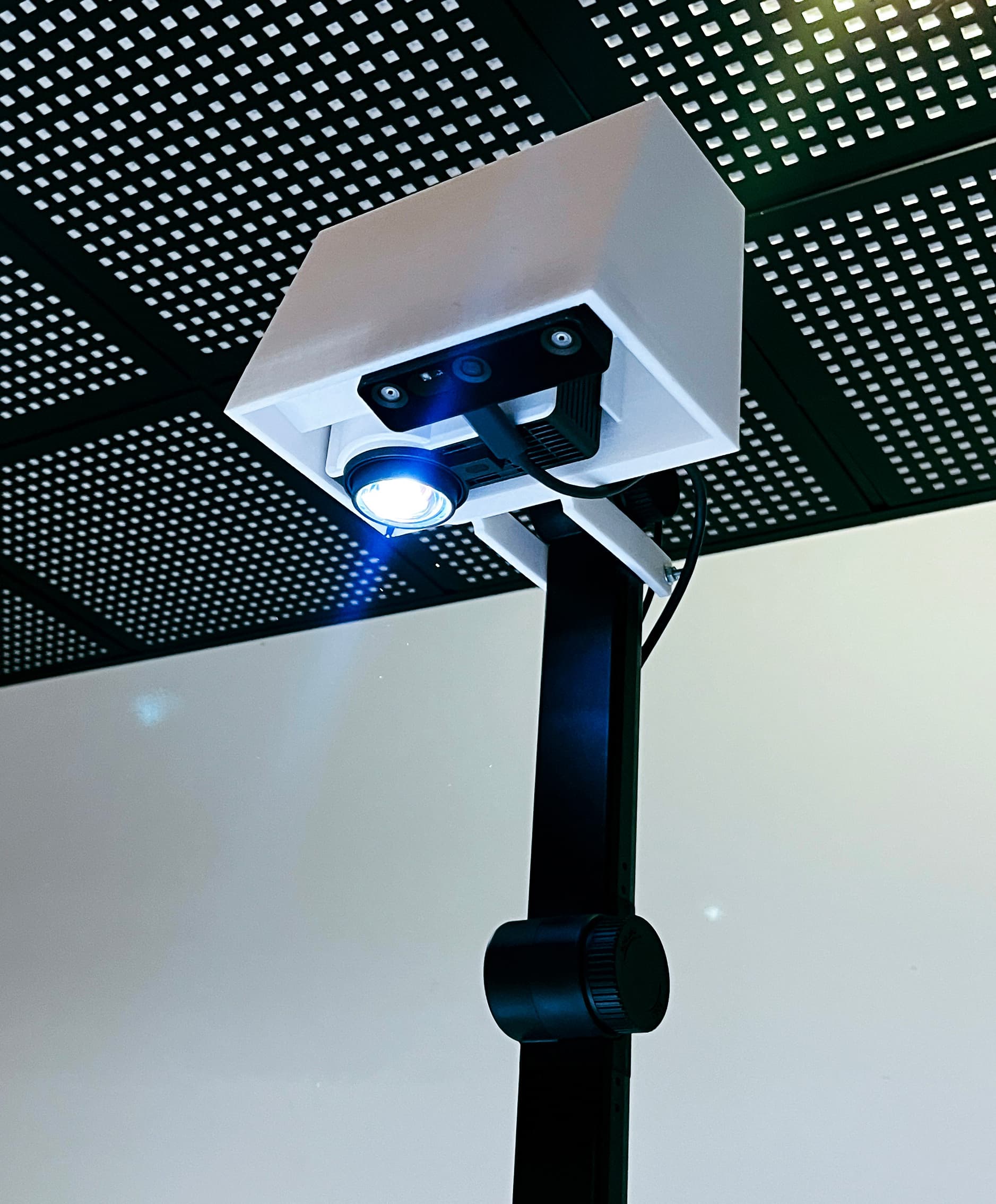
CARDS operates between approval of the lesson learned and its adoption by the rest of the production line. Interactive projection distributes the new procedure directly to the relevant operators.

  • Turn an approved action into an instruction, marker, or control point.
  • Contextualize it by workstation, part, tool, action area, or variant.
  • Update the sequence when the standard changes.
  • Distribute the new version to the relevant teams or workstations according to the selected architecture.
  • Deliver the change directly within the work environment.

The system can operate locally without a headset or individual screen and can be installed in 30 minutes to start with an initial use case.

CARDS projector installed above the workstation

Industrial lessons-learned use cases

CARDS becomes relevant when lessons exist but have not yet changed workstation practice

The same difficulties reappear even though they have already been addressed by a lessons-learned process.

A corrective action is approved but takes time to reach shop-floor standards.

A good practice remains known to one team, site, or experienced operator without being easy to replicate.

Several shifts or workstations must apply a method change quickly.

A change decided after an incident or problem resolution must become visible in real execution.

Reports accumulate, but the shop floor does not always clearly see what changed.

Field Lessons Learned

FAQ

Start with a real lesson learned from your site

Show us an existing lesson learned, good practice, or corrective action. We will show you how to carry that learning all the way to the workstation.