How Co-Idea Began: Research That Transforms Workplace Training and Safety
“Co-Idea grew out of cognitive science and human-computer interaction research: conventional training is often poorly aligned with how people really learn. By combining physical and digital interaction, CARDS helps teams learn through action, handling and collaboration.
How Co-Idea began: when research reshapes workplace training
Co-Idea did not begin as an abstract idea or a market opportunity. It grew from field observations rooted in computer science research at Inria Bordeaux and education research at the University of Lorraine, then tested in real situations: the digital tools used in education and professional training often do not match the way people learn, understand and act.
Trainers and safety professionals experience this gap every day, even when they do not have a name for it.
A simple but defining question
The work began with a question from human-computer interaction research: why are tools designed to transmit information so often ineffective at building lasting behaviours, especially in safety training and risk prevention?
On the shop floor, the answer soon becomes clear. Real work takes place in a rich, concrete and changing environment filled with objects, gestures, spatial constraints and human interaction. Training, by contrast, still relies heavily on abstract materials such as presentations, videos and e-learning modules that are detached from those conditions.
That gap is not incidental. It is central to the problem.
What cognitive science tells us
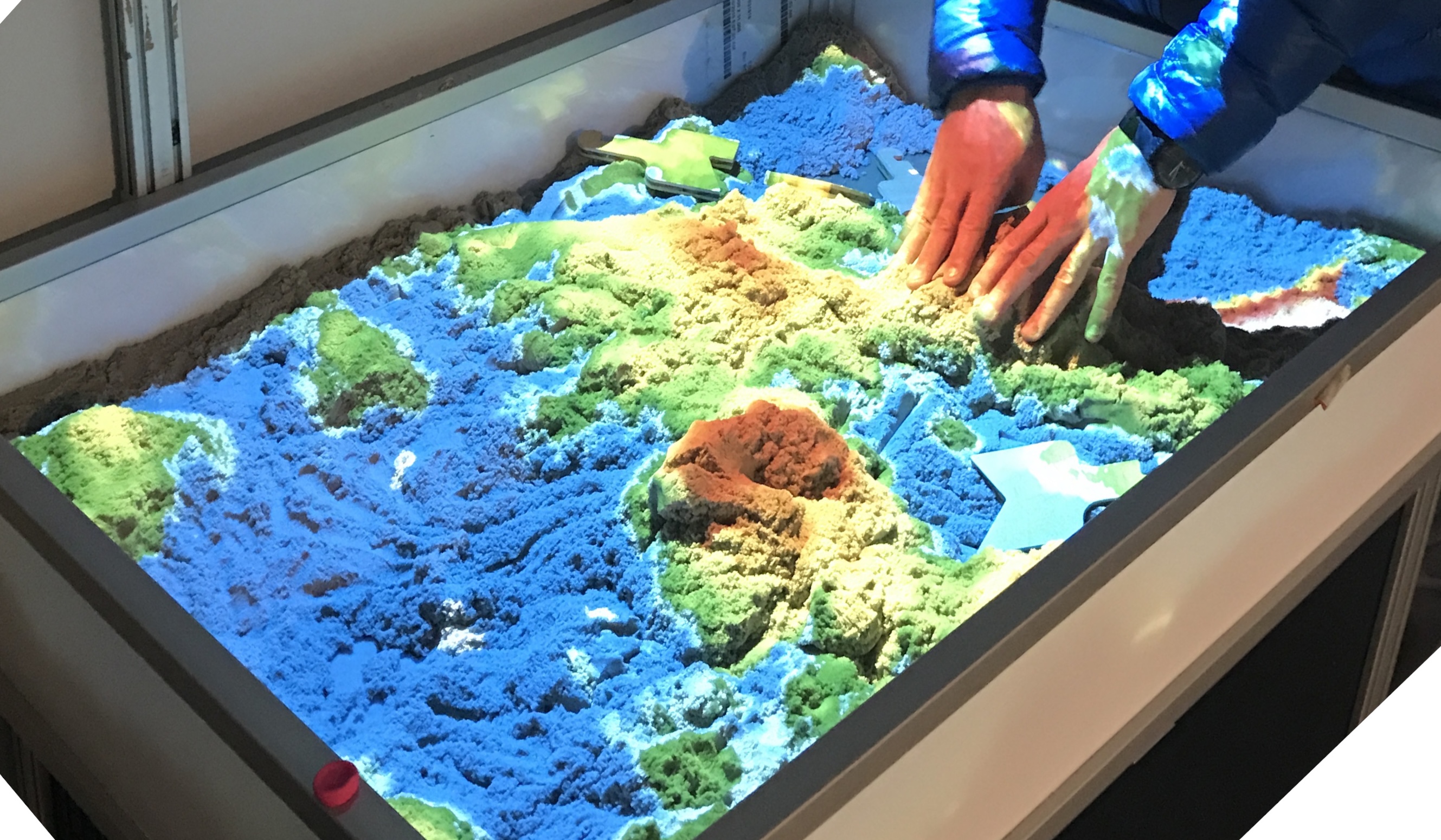
Cognitive science shows that intelligence is not purely abstract. It is embodied, situated in an environment and closely connected to action. We understand more deeply when we handle things, move through a space and interact with other people.
For a trainer or safety professional, this changes the approach. A safety rule is better understood when people experience a situation. A risk is easier to identify when it is encountered. A desired behaviour is more likely to stick when it has been practised.
Where conventional training falls short
Many training programmes still ask learners to leave their real environment for an abstract one: watch, listen and memorise, then apply the lesson later at work.
That is where learning is lost. People may understand a message in the moment but forget it; discuss a situation without integrating it; or know the expected behaviour without adopting it. For a safety or training lead, the result is a recurring challenge: making good practice last.
A different approach: act instead of just listening
The research behind Co-Idea explored a different path. Instead of improving existing materials, it set out to change how people interact with information: create a situation rather than simply deliver content.
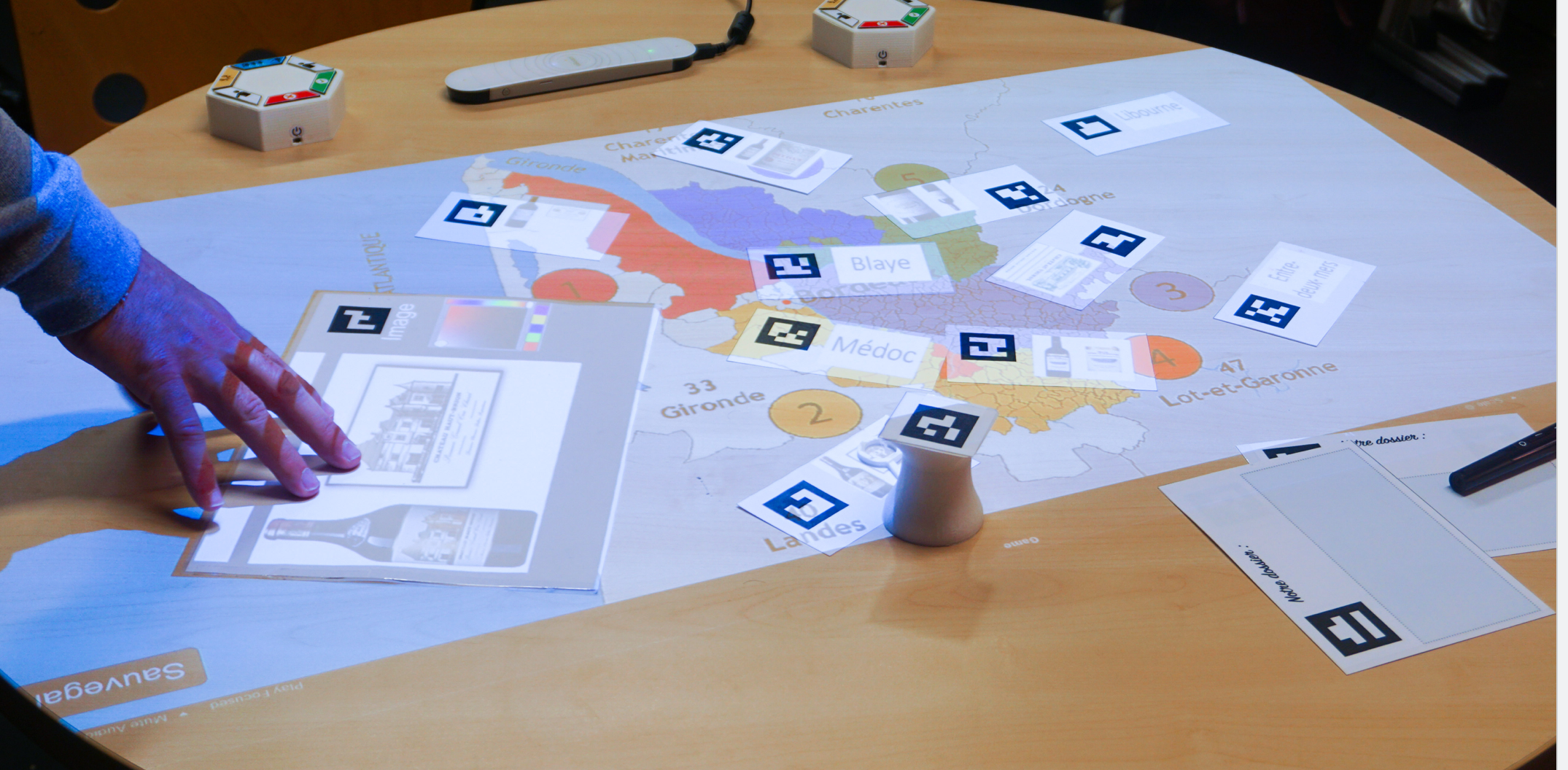
Information can be projected directly into a work environment. Participants can handle physical elements, exchange ideas and reflect together on a shared experience. This approach led to CARDS.
What this changes in training and risk prevention
For a trainer, the role shifts from delivering content to facilitating situations: put participants into action, observe, ask questions, adapt and support new insights. For a safety professional, realistic situations can be explored without exposing teams to danger. Risks are no longer only described; people identify, discuss and examine them together.
The effects are practical and visible:
- Participants are active, which supports immediate engagement.
- Shared situations create richer discussion.
- Action and different points of view deepen understanding.
- Learning is more memorable because it is grounded in experience.
From the lab to the workplace
These approaches were not designed to stay in research papers. They were tested in real settings, including professional training and risk prevention. Participants became more involved, messages came across more clearly, and discussions connected more directly to work situations.
Across sectors, one question kept coming up: why is this kind of tool not used more widely?
The creation of Co-Idea
Co-Idea was created to answer that question. The ambition was not simply to demonstrate a concept, but to make it accessible, reliable and usable at scale in demanding environments such as industry, professional training and risk prevention.
That meant turning research prototypes into robust products that are easy to deploy and genuinely useful to frontline teams.
A conviction about the future of training
One idea continues to guide Co-Idea: training and prevention outcomes depend not only on the content, but also on how people interact with it. With the rise of artificial intelligence, this question matters even more. We can generate knowledge quickly, but without an appropriate interface it can remain abstract and difficult to put into practice.
For knowledge to be useful, people need environments where they can see, handle and discuss it together.
A new generation of training
With CARDS, Co-Idea offers an approach in which training does more than inform: it puts teams into a situation. An ordinary table becomes an augmented workspace where participants handle information, compare perspectives and build an operational understanding together.
For businesses, that means training that is more engaging and, above all, more effective at supporting real behaviour change at work.
Conclusion
Co-Idea began at the intersection of research and operational needs. It started with a simple but important insight: the problem is not only what we teach, but how we bring it to life.
Changing the interface changes more than the user experience. It changes how people learn, understand and act. In professional training and risk prevention, that is what makes the difference.
Would you like to see what this could change for your teams? Request a CARDS demonstration and discover a new way to train, engage and prevent risks.